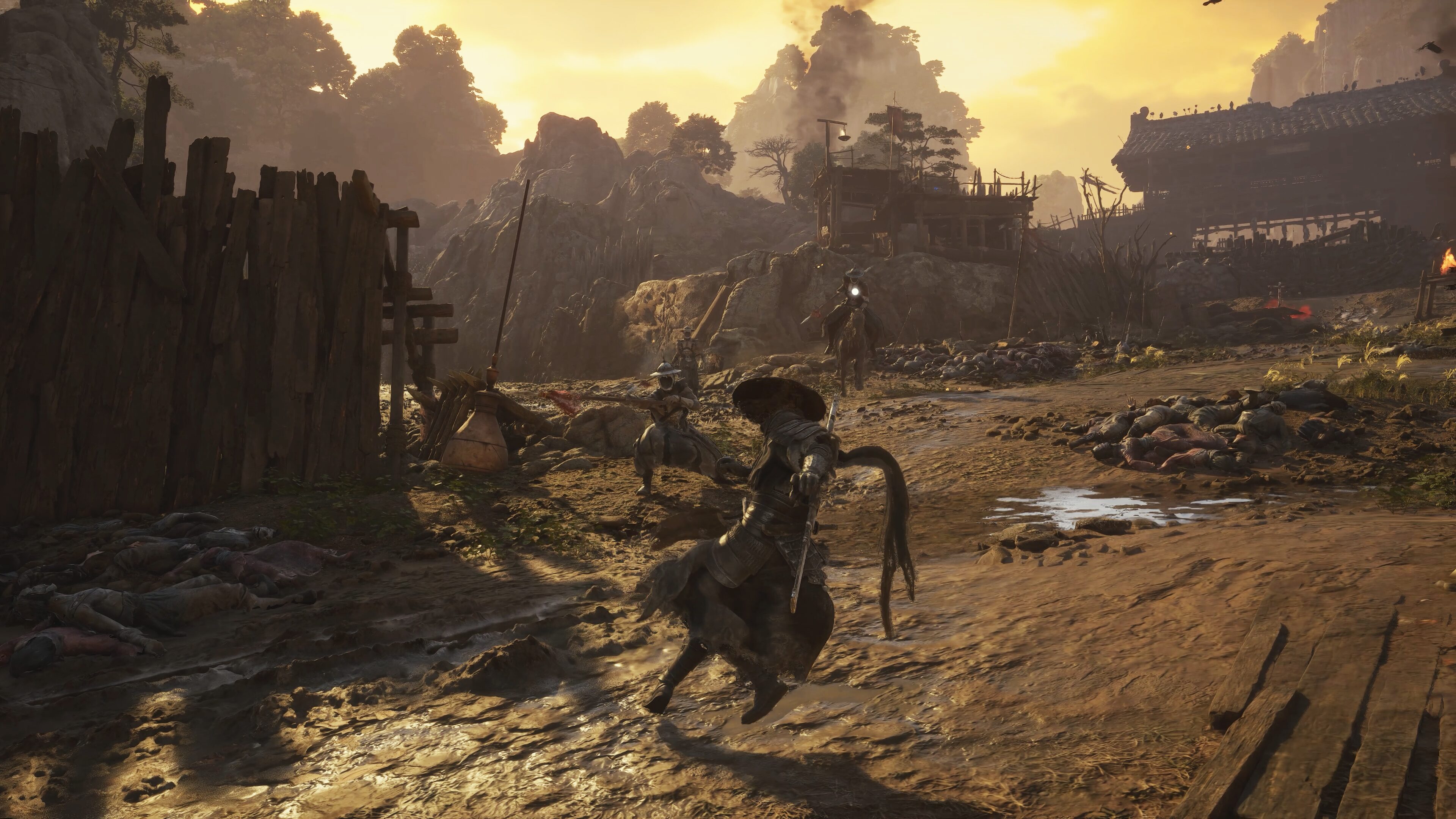
This Phantom Blade Zero walkthrough covers a semi-open world made up of eight distinct interconnected regions rather than one open map or a strictly linear sequence. Regions connect to each other, some are sealed at the start and open through keys, quest progress or weapons you do not own yet, and Bells handle travel between them.
On this page
The Phantom Blade Zero walkthrough loop
Clear a region for its weapons and secrets
Defeating certain enemies grants their weapon and signature technique, so exploration feeds your combat options directly.
Take the side quests as they appear
Completing some of them opens new story paths rather than only paying out rewards, which matters because the ending depends on them.
Rest at a Bell before you move on
Resting restores your health and refills your consumables and your Phantom Edge uses.
Return to sealed routes once your loadout can handle them
Backtracking with a newly earned weapon or a new Phantom Edge is a normal way to progress, not a detour.
Check back on regions you already cleared
A newly acquired key often opens something you walked past hours earlier.
Bells are checkpoints and fast travel
Bells are the navigation spine of the game. They act as checkpoints, resting at one restores your health and refills consumables and Phantom Edge uses, and once you have found a Bell you can travel back to it from anywhere.
Navigation uses an ink-wash style map rather than a constant minimap, so plan route decisions at a Bell rather than mid-fight.
Regions start sealed
Some regions are sealed at first and open through keys, quest progress, or weapons you do not own yet. Phantom Edges in particular double as exploration keys — certain blocked routes only open once you hold the tool that breaks them — which makes a newly acquired Edge a reason to revisit an area you have already cleared.
That is the intended loop rather than an excuse to backtrack blindly: each key you earn widens the map.
Clear regions for weapons and secrets
Each of the eight regions holds its own secrets, optional bosses and hidden weapons, so the regions are worth clearing rather than running through. Weapons are the main collectible-shaped reward, and bosses and unique enemies both expand your arsenal while handing you the keys to the world at the same time.
What is worth hunting and why each category matters breaks the find categories down, including which of them change your ending and which only open the map.
The story spine you are progressing through
Soul is an elite assassin of The Order, framed for murdering his master and gravely wounded by a mystic healer who gives him only 66 days to live. He has to track down the people who framed him while fighting assassins, those corrupted by darkness, and martial arts masters who plot against him.
Alongside the main route sit side quests in the regions, and those feed the ending. A straight run through the main story takes roughly 20 to 30 hours, and players who ignore side content are more likely to land on a bad ending. How the eight endings are decided covers what to prioritize if the outcome matters to you.
Bosses checkpoint at every phase
A failed boss encounter costs you the current phase rather than the run. That makes repetition cheap, and it means you should keep attacking a phase you do not understand rather than abandoning the fight — you are never more than one phase away from the checkpoint.
The encounters themselves are listed on every revealed boss, with the Seven Judgments broken out phase by phase on its own page.